Marketing Analytics Tools: 10 Options for Measuring and Improving Campaign Performance
Choose marketing analytics tools by the decision you need to make. Compare analytics, attribution, session evidence, and follow-up without getting lost in dashboard counts.
Superpage Team
Editorial Team · October 11, 2026
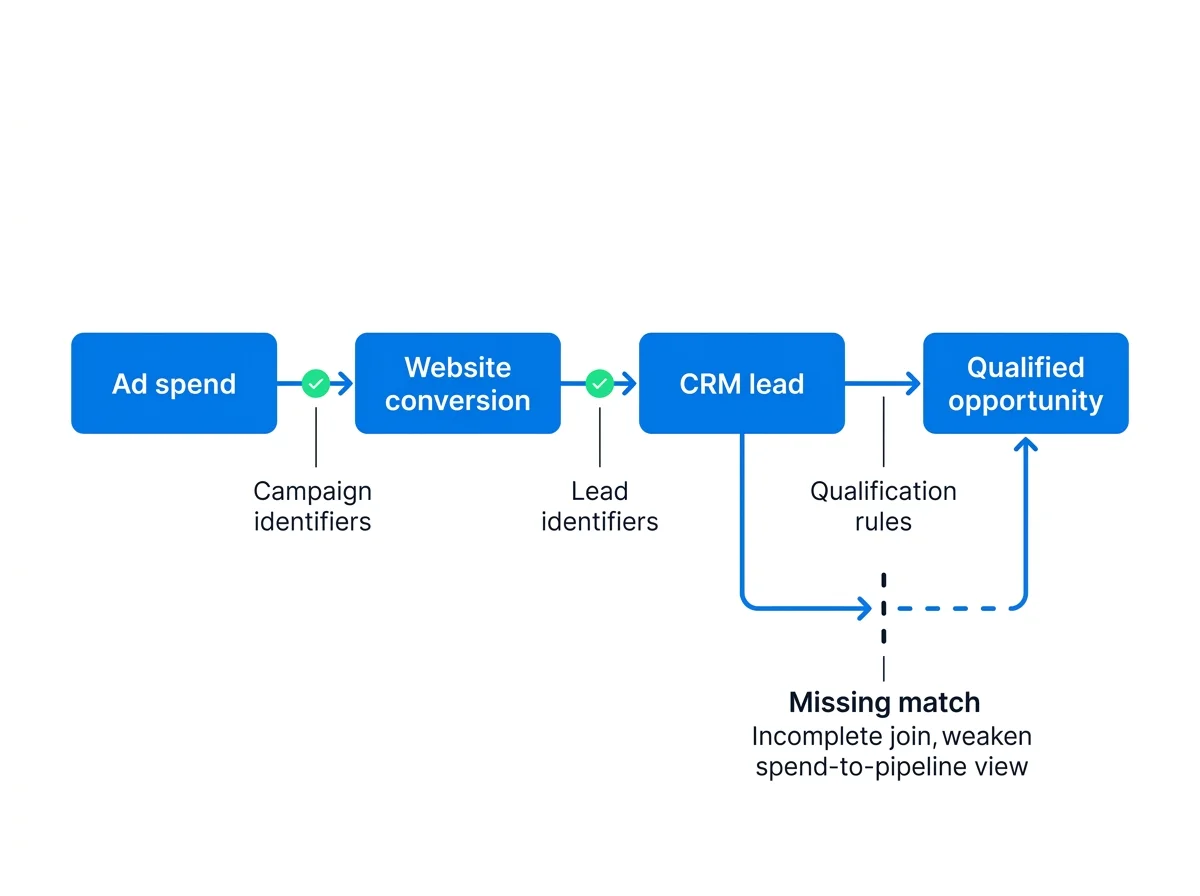
Your ad dashboard reports conversions. Your CRM shows fewer qualified leads. Your calendar has fewer booked calls still. Which marketing analytics tools will help you understand the gap—and decide what to do next?
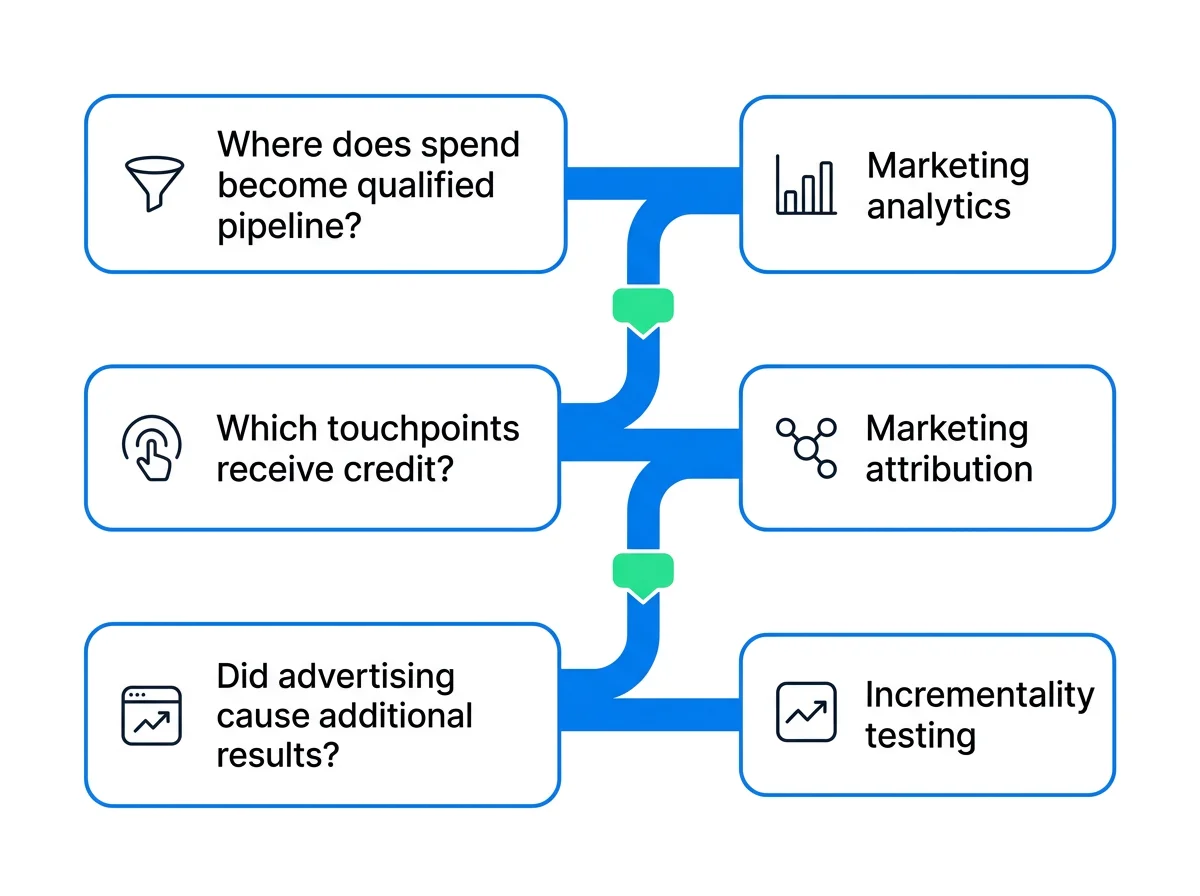
Start with the decision, not the feature list. A reporting tool helps you compare performance. A session recording helps you investigate conversion friction. Attribution assigns credit to touchpoints. CRM and workflow tools help you act after someone submits. Those are different jobs, even when they appear in the same product.
What are marketing analytics tools?
Marketing analytics tools collect, organize, and interpret information about marketing performance. They help teams understand campaign results, visitor behavior, conversion activity, and business outcomes.
The category includes several kinds of marketing analytics software: web analytics, marketing reporting tools, business intelligence platforms, paid-media measurement, attribution software, and conversion-rate analysis. CRM and workflow tools serve the operational side by recording what happens to leads and supporting follow-up.
Marketing analytics asks what happened and what to improve. Marketing attribution asks which touchpoints receive credit for an outcome. Attribution is one measurement function within the broader analytics landscape.
What should marketing analytics software help you measure?
For paid-traffic operators, a useful measurement plan extends beyond clicks and form fills. Keep each outcome distinct:
Campaign and ad-source performance: spend, traffic, and the conversion events associated with each source.
Visitor behavior: which pages and steps people use before converting or leaving.
Conversion friction: confusing instructions, repeated attempts, difficult form steps, or booking obstacles.
Lead quality: which submissions meet your business’s qualification criteria.
Appointment outcomes: which qualified leads book, attend, or move forward.
Follow-up activity: whether the next action happened after an inquiry or conversion.
A submission, a qualified lead, and a booked appointment are three different events. Reporting them as one conversion hides the stage that needs attention.
Consider a campaign with plenty of submissions but few bookings. You need to separate poor-fit leads from qualified people who never received follow-up, and both from people who reached the calendar but did not book. A blended conversion count cannot explain those differences.
Compare the main categories by job
Match the measurement category to your next decision
Category
Question it addresses
What to pair with it
Broad analytics and reporting
How is performance changing?
Clear definitions for qualified and commercial outcomes
Paid-media measurement
Which campaigns produce the outcomes we track?
CRM and booking outcomes
Session-recording CRO
Where do visitors encounter friction?
Conversion rates and structured tests
Attribution
Which touchpoints receive credit?
A defined model and conversion event
CRM and workflow follow-up
What happened after submission?
Source information and consistent lifecycle stages
10 marketing analytics options to evaluate by use case
These options span products, tool categories, and measurement approaches. They are organized by job rather than ranked as interchangeable platforms. Build your shortlist around the question your current setup cannot answer.
1. Google Analytics 4: web analytics
GA4 belongs on a shortlist for understanding website activity and conversion behavior. Choose web analytics when your first question is about traffic and what visitors do on the site. For lead-driven businesses, connect that analysis to separately defined qualification and booking outcomes in your measurement plan.
2. Adobe Analytics: digital analytics
Adobe Analytics is a digital analytics option for teams evaluating broad digital measurement. This category fits when the requirement is wider than investigating a single form or landing page. Include the scope of measurement and the people responsible for implementation in the buying decision.
3. Microsoft Power BI: business intelligence
Power BI is a BI option for teams whose main job is analyzing and presenting business data. It belongs in the reporting conversation when marketing performance needs to sit alongside other business measures. Define the underlying data and calculations before designing the report.
4. Looker Studio: reporting and dashboards
Looker Studio is a reporting option for presenting marketing information in dashboards. This job is useful when stakeholders need a consistent view of performance. The important buying question is not how many charts you can create, but whether the report distinguishes submissions, qualified leads, and booked appointments.
5. Marketing-data automation tools: recurring data preparation
This category addresses the work of moving and organizing marketing data for recurring analysis. Consider it when assembling reports consumes time that should go toward decisions. Evaluate the specific data sources, refresh needs, and maintenance responsibilities your reporting process requires.
6. Google Ads and Meta Ads reporting: paid-media measurement
Ad-platform reporting is a starting point for campaign spend and tracked conversion performance. Use it to understand how campaigns perform against the events being measured. Keep the event definitions explicit: a raw form submission should not become a qualified lead simply because a report labels it that way.
Session recordings show how visitors interact with a page or flow. They help you investigate where people hesitate, repeat actions, or abandon a step. Pair the observed behavior with conversion data, then test a focused change. A recording gives you a concrete place to investigate; it does not explain a visitor’s private reasoning.
8. First-touch and last-touch attribution: source-credit comparisons
These approaches answer two bounded questions: which recorded touchpoint introduced the lead, and which recorded touchpoint preceded conversion? They are useful when you want to compare discovery with conversion-closing contribution without distributing credit across the whole journey.
Dedicated multi-touch attribution is a separate option when the decision requires allocating credit across multiple recorded touchpoints. Evaluate it for that specific requirement—not because a longer journey automatically demands a more complex model. Its usefulness depends on a defined outcome and consistent journey data.
10. Superpage: paid-traffic conversion and follow-up
Superpage fits the conversion-and-follow-up job. It provides CRO analysis using session recordings, first-touch and last-touch attribution, Google Ads and Meta Ads measurement, CRM/workflow automation, and outbound AI voice agents for appointment setting.
Choose this type of option when you need to investigate the conversion path and support the next action after an inquiry. Superpage is not a general analytics suite, a BI/reporting platform, an integration hub, or a multi-touch attribution platform.
Marketing analytics tools vs. marketing attribution software
Marketing attribution software focuses on assigning conversion, pipeline, or revenue credit to marketing touchpoints. Broad analytics also covers performance trends, visitor behavior, conversion friction, and reporting. A product can serve one of those jobs without serving the others.
Before choosing attribution tools, define two things: the outcome receiving credit and the rule used to assign it. Attribution for a form submission answers a different business question from attribution for a qualified lead or booked appointment.
First-touch attribution: what introduced the prospect?
First-touch attribution gives credit to the earliest recorded touchpoint in the measured journey. It helps you evaluate the sources that introduce prospects, even when those prospects later return through another channel.
Last-touch attribution: what preceded conversion?
Last-touch attribution gives credit to the final recorded touchpoint before the defined conversion. It helps you examine the sources associated with the last step toward that outcome.
Multi-touch attribution: how is credit shared?
Multi-touch attribution distributes credit across multiple touchpoints using a specified rule or model. It asks a different question from identifying the first and last touch. Showing those two endpoints side by side is not multi-touch attribution.
Imagine a prospect first arrives from a Meta ad, returns through a Google ad, and later converts after an email. First-touch assigns credit to Meta; last-touch assigns it to email. A multi-touch model allocates credit across multiple recorded interactions according to its rules.
The three answers differ because the models answer different questions. Comparing them is useful only when the conversion definition and measurement scope stay consistent.
When does dedicated attribution software make sense?
Consider a dedicated attribution approach when budget decisions depend on understanding the contribution of several touchpoints across longer journeys. The requirement should be specific: for example, allocating credit across discovery, return visits, and conversion-stage interactions.
If your immediate problem is that qualified leads never book, attribution alone will not reveal whether follow-up occurred. If visitors struggle with a form, credit allocation will not show the interaction that caused friction. Match attribution to a credit question, then use behavioral and CRM evidence for the other parts of the journey.
How to compare marketing analytics tools
Write a one-sentence buying requirement before reviewing products: “We need to understand why Google Ads submissions are not becoming qualified bookings.” Then evaluate each option against the evidence needed to answer it.
Decision: Name the action the information should support—change a page, shift budget, improve qualification, or repair follow-up.
Channels: List the actual sources in scope. Google Ads and Meta Ads coverage is a specific requirement, not the same as coverage of every advertising platform.
Outcomes: Define raw submissions, qualified leads, booked appointments, and later commercial stages separately.
Behavioral evidence: Decide whether aggregate metrics are enough or whether you need session recordings to investigate a conversion problem.
Attribution model: Specify first-touch, last-touch, or multi-touch. Do not assume a product offers all three.
Follow-through: Decide whether you only need measurement or also need CRM updates, workflow actions, and appointment-setting follow-up.
Implementation effort: Account for event setup, source data, field mapping, lifecycle definitions, and ongoing maintenance.
Team fit and cost: Include software, setup, and operating time. Identify who will maintain the system and who will act on its findings.
A useful evaluation follows one campaign through the entire measurement path. Inspect the source, conversion event, qualification status, booking outcome, and follow-up action. Review the data definitions alongside the interface—not just a polished dashboard.
Keep the first implementation narrow
Start with one campaign, one conversion path, and one commercial outcome. Establish what counts as a qualified lead and a booked appointment. Add the behavioral or attribution evidence needed for your next decision, then expand as the process becomes repeatable.
For a small team, a narrower tool with clear ownership can be more useful than a broad platform that no one has time to maintain. For an agency, repeatable definitions and reporting processes matter because inconsistent client setups make comparisons harder.
How Superpage fits the measurement loop
Superpage connects a defined set of conversion and follow-up capabilities within this broader landscape:
Compare source contribution: first-touch and last-touch attribution address the start and end of the recorded journey.
Measure paid traffic: Google Ads and Meta Ads measurement supports those advertising sources.
Support the next action: CRM and workflow automation handle post-inquiry processes.
Support appointment setting: outbound AI voice agents provide an appointment-setting follow-up option.
That makes Superpage relevant when the buying question spans paid-traffic conversion and follow-up. It serves a different purpose from a broad BI reporting requirement or multi-touch credit-allocation project. For the operational side of appointment follow-up, our AI sales automation guide covers workflows and appointment setting in more detail.
Frequently asked questions
What does marketing analytics mean?
Marketing analytics means measuring and interpreting marketing activity to make better decisions. It includes campaign performance, visitor behavior, conversions, and business outcomes. The useful output is a decision about what to improve, not simply another chart.
What is the difference between analytics and attribution software?
Analytics is the broader practice of understanding performance. Attribution software specializes in assigning credit to touchpoints. Attribution can help explain source contribution, while session analysis and CRM outcomes address behavior and post-submission progress.
Do small businesses need a full marketing analytics platform?
Not necessarily. Start with the questions you need to answer and the channels you use. A focused setup covering campaign performance, conversion behavior, and qualified outcomes can meet a small team’s needs without a broad BI project.
What can session recordings reveal?
They show visitor interactions such as navigation, repeated clicks, form attempts, and abandonment. Use them to identify friction worth testing, then measure whether the change improves the defined conversion outcome.
What is first-touch attribution?
First-touch attribution assigns credit to the earliest recorded touchpoint in the measured journey. It focuses on how the prospect was introduced.
What is last-touch attribution?
Last-touch attribution assigns credit to the final recorded touchpoint before conversion. It focuses on the interaction immediately preceding the defined outcome.
When is multi-touch attribution needed?
It becomes relevant when your decision requires distributing credit across several touchpoints rather than identifying the first or last one. Choose it for that allocation need, with consistent journey data and a clearly defined conversion outcome.
Choose a tool that changes your next decision
The best marketing analytics tools for your team are the ones that make a specific problem easier to understand and act on. Start with the gap between spend and qualified opportunities. Choose reporting, behavior analysis, attribution, or follow-up capabilities based on the evidence that gap requires.
Apply for a Superpage demo to evaluate its paid-traffic conversion analysis, first-touch and last-touch attribution, and follow-up capabilities against your campaign path.
Superpage Team
Editorial Team
Superpage Team shares practical insights for SaaS marketers who need to launch coordinated campaigns faster, reduce tool sprawl, and improve execution with AI agents.
Compare CRO tools by the conversion leak they help you diagnose and act on—from session evidence and attribution to qualified appointment follow-through.